
Zoology and animal biology summer camp in England 2026
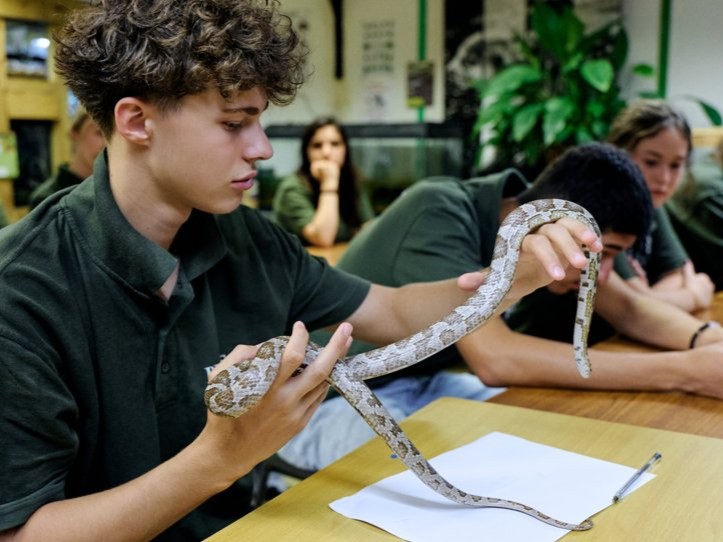
When a teenager shows interest in veterinary medicine, zoology, animal biology, or conservation, the family often faces a difficult question: is this a real calling or just a fascination with animals? A zoology summer camp in England can help answer that with greater clarity.
In 2026, a specialized program in the south of England combines Animal Management tutoring, supervised practice, and contact with an animal facility on campus. For young people aged 14 to 17, this combination moves the conversation from the abstract and shows what it truly means to care for, observe, and study animals in an academic routine.
This type of decision connects with families already researching career experiences for teenagers, such as a medical program in Europe for young people. Before university, the student needs to test their interest in a real-world context.
What is a zoology summer camp in England?
It is a summer program for students aged 14 to 17 interested in Animal Management, Animal Care, Zoology, Veterinary Medicine, Veterinary Nursing, or Conservation Biology. The 2026 season runs from July 12 to 25, in a 2-week format.
Capacity is limited to 14 students per week, making the experience more selective and hands-on. The academic load is 18 hours per week of tutoring in Animal Husbandry, Animal Care & Behaviour, Animal Handling, and Specialist Animal Care.
The strongest differentiator is rare in the summer camp market: the operator has its own zoo on campus. This allows Animal Handling to take place in direct contact with animals, rather than only in theoretical classes or one-off visits.
For families researching vocational exchange programs for young people, this camp works as a reality test for a demanding field.
What modules does the student experience?
The program organizes learning into areas that appear in university pathways for veterinary medicine, zoology, and conservation. The language may sound technical, but the purpose of each module is quite concrete.
This design matters because working with animals is not just about liking them. It involves cleaning, protocol, observation, patience, decision-making, and constant attention to welfare.
Why does having a zoo on campus change the experience?
Most programs for teenagers use external visits to zoos or introductory classes. That can be useful, but it places the student as a visitor. Having an animal facility on campus changes the relationship with learning.
The young person observes the routine at different times, participates in hands-on activities, and understands that animal management requires consistency. Additionally, the program includes visits to at least 2 external zoos in the region, with backstage access when available.
This combination creates comparison. The student sees the difference between on-campus care, external institutions, technical teams, and welfare routines. For someone considering veterinary medicine or conservation, this awareness is worth more than a purely touristic experience.
How does this help university applications?
In applications for Veterinary Medicine, Veterinary Nursing, Zoology, or Conservation Biology, universities look for signs of maturity, clarity of interest, and real exposure to the field. Good grades matter, but the student also needs to explain why that particular path makes sense.
In the British system, the UCAS Personal Statement requires the applicant to demonstrate motivation with concrete examples. A well-utilized zoology camp can generate real material for that narrative: supervised handling, behavior observation, care routines, technical visits, and reflection on animal welfare.
The value is not in listing activities. It is in showing what the young person learned about the profession and about themselves. Preparation for medicine in England follows the same logic: practical experience strengthens an application when connected to study and intent.
For the family, this is a concrete gain. The young person returns with stronger examples to discuss with counselors, teachers, and application consultants. They can explain whether they enjoyed animal behavior, conservation, clinical care, or management more, instead of simply saying they like animals.
Who is this program right for?
The ideal profile is a teenager who already shows consistent interest in animals, biology, health, the environment, or science. They do not need to have chosen a university course, but they need genuine curiosity and maturity to handle a hands-on routine.
The minimum English level is B1, with acceptance up to C2. This makes sense because the vocabulary is more technical than in a general summer camp. The student needs to understand instructions, participate in discussions, and keep up with specialized tutoring.
The program tends to work well for young people who:
- are considering veterinary medicine or veterinary nursing;
- are researching zoology, animal biology, or conservation;
- want to test their calling before university;
- need to strengthen their portfolio for an international application.
This test also appears in experiences like vocational exchange for medicine in Italy, where the student discovers whether they enjoy the field when it involves routine, study, and responsibility.
What should parents evaluate before deciding?
The first point is genuine interest. Liking pets is not the same as wanting to study management, behavior, and animal health. The second is maturity. Contact with animals requires calm, listening, hygiene, care, and respect for rules.
The third is English. If the teenager has not yet reached B1, it may be better to start with an English program with activities and leave zoology for the next season. The fourth is the goal: testing a calling, preparing an application, expanding their repertoire, or confirming a university field.
For teenagers still comparing science, health, and technology, the STEM summer camp in England may be a broader alternative before choosing such a specific track.
It is also important to assess tolerance for hands-on routine. A program with Animal Handling and management is not suited for someone who just wants to look at pretty animals. It favors the young person who accepts protocols, hygiene, repetition, concentration, and quiet care. This distinction is what transforms the camp into genuine career guidance.
Frequently asked questions about zoology summer camp
What is the recommended age for the zoology summer camp in England?
The program serves young people aged 14 to 17. It is recommended for teenagers with genuine interest in animals, biology, veterinary medicine, or conservation.
Is the program only for those who want to study veterinary medicine?No. It also makes sense for those considering Zoology, Veterinary Nursing, Conservation Biology, research, environmental education, or wildlife management.
What level of English is required?
The minimum is B1. Since the vocabulary is technical, the student needs to understand instructions, keep up with tutoring, and participate in hands-on activities safely.
Does having a zoo on campus make a difference?
Yes. It allows for more integrated contact with the animal management routine. The student is not limited to an external visit, although the program also includes at least 2 visits to zoos in the region.
Can this camp help with a university application?
It can, if the student knows how to reflect on the experience. Hands-on activities, behavior observation, and contact with animal care can strengthen the UCAS Personal Statement.
Be Easy: boutique exchange consultancy
Be Easy helps families evaluate whether a specialized summer camp fits the young person's current stage or whether a broader experience would be more suitable. If zoology, veterinary medicine, or conservation are on your child's radar, our curation can guide on age, English level, documentation, and next academic steps. To speak with a dedicated senior consultant, contact us.

