
Tennis sports exchange for teens: training in Florida while on vacation
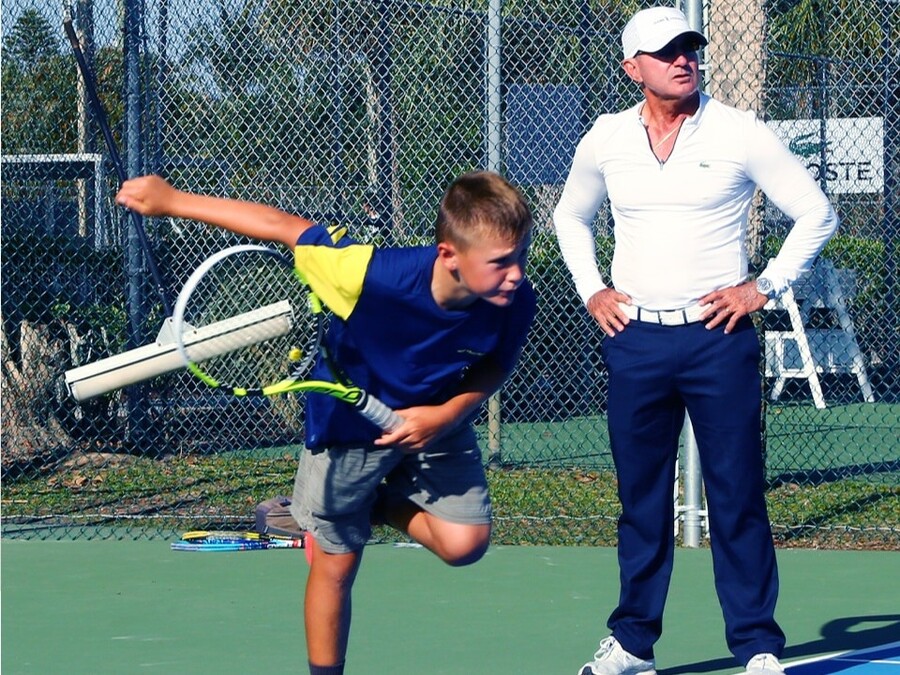
School holidays provide an opportunity for technical development and fluency in English when your child spends the summer training tennis in Port St. Lucie, Florida. While many teenagers spend two months without a productive structure, some choose professional courts, certified technicians and complete immersion in the language that opens international doors.
O tennis sports exchange in Florida transforms the recess period into a concrete investment. Not only in athletic abilities, but in the independence, maturity and global networking that mark the trajectory of young people between 13 and 18 years old willing to go beyond the obvious.
What makes Port St. Lucie ideal for summer training
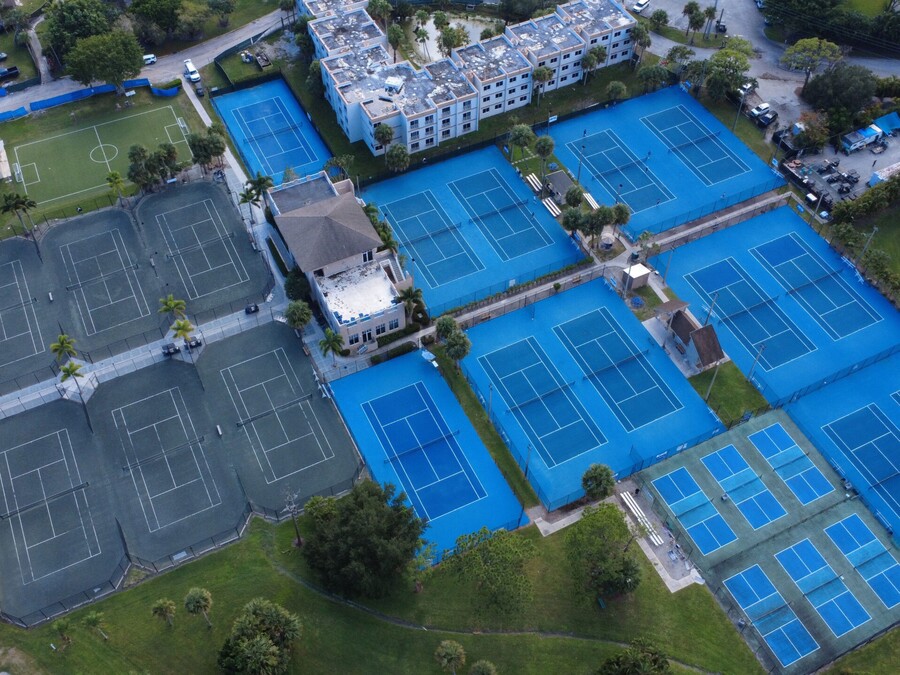
Florida's east coast offers stable weather throughout the American summer, ensuring outdoor workouts uninterrupted by rain or cold. Port St. Lucie combines residential tranquility with strategic proximity: Orlando is less than two hours away, beaches are just minutes away, and the RPS campus offers total security in a supervised environment.
Advantages of the location:
- Average temperature of 28°C during summer, perfect for outdoor sports
- Campus closed and monitored 24 hours a day with experienced staff
- Quick access to Disney, Universal Studios, and Florida's main beaches
- International community of students who practice English naturally
The structure goes beyond the tennis courts. The dorms on the campus itself eliminate unnecessary travel and create a living environment that accelerates international friendships. Every meal, every recreational activity, every moment of relaxation becomes a spontaneous English practice.
Routine that balances intensive sports and language learning
Wake up early, group breakfast, technical training for three hours, supervised lunch, four hours of English classes focused on conversation, complementary physical training, dinner with colleagues from different countries, evening recreational activities. This structured routine teaches time management and discipline that teenagers carry for life.
The difference lies in the real integration between tennis and English. During training, U.S.-certified technicians explain tactics, correct moves, and discuss game strategies exclusively in English. There's no translation, there's no linguistic comfort zone.
Language classes work in small groups organized by level of proficiency. Those who arrive with basic English practice fundamental structures through conversations about everyday topics. Those who already have intermediate knowledge improve technical vocabulary, formal presentations, and complex debates.
Weekly workload:
- 12 hours of tennis training with a professional coaching staff
- 16 hours of English with certified and native instructors
- 8 hours of cultural and recreational activities
- Constant supervision during all activities
Exchange for teenagers works best when it combines academic challenge with personal passion. Tennis becomes a daily motivation to wake up in a mood, actively participate in English classes, and overcome personal limits.
Technical development in an international competitive environment
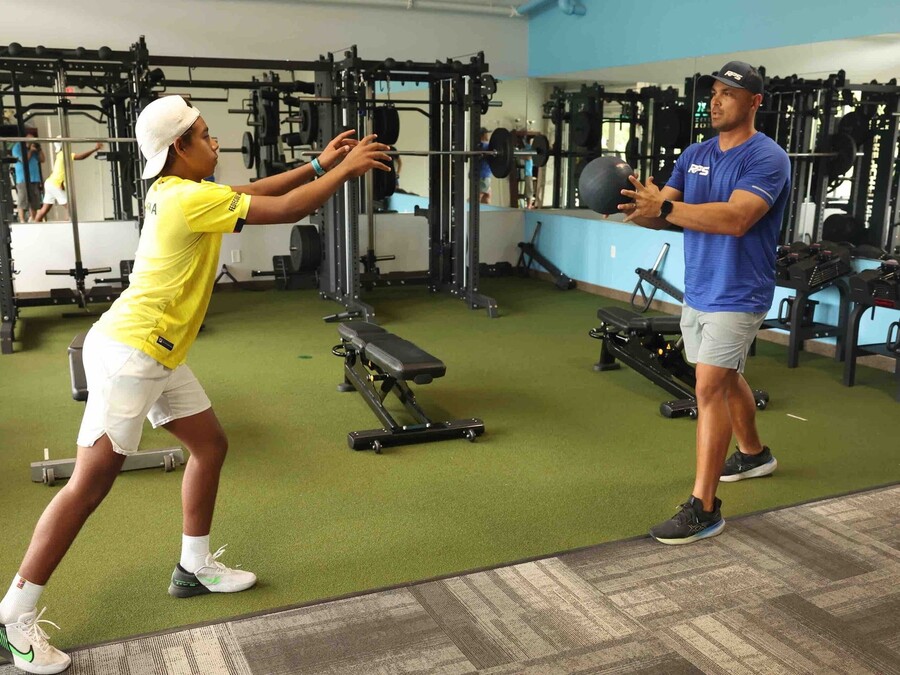
Playing tennis at the local club develops fundamentals. Training at an international academy with determined teenagers from different countries naturally raises the competitive level. Living with young tennis players who have invested entire vacations in the sport creates an environment that pulls everyone up.
The technicians evaluate each participant on the first day and organize training in groups compatible with the technical level. Beginners work fundamentals of forehand, backhand, and serve. Intermediate players refine game tactics, court placement, and specific physical preparation for tennis.
The American sports teaching methodology prioritizes individual development within a collective context. Each adolescent receives personalized feedback about their strengths and areas that need evolution, but the training takes place in groups to stimulate collaborative learning.
Training structure:
- Tennis-specific warm-up and physical preparation
- Fundamental technical training and movement correction
- Practice of game tactics in real situations
- Supervised games applying learned techniques
- Performance analysis and evolution planning
Sports exchange programs Open that door: using athletic talent as an instrument of growth that goes far beyond the courts.
Cultural immersion that goes beyond English classes
Weekends include experiences that transform theoretical English into natural practice. Visiting theme parks in Orlando requires reading maps, asking for information, interacting with attendants, and learning real English. Spending the day at the beach with international colleagues creates spontaneous conversations that no grammar class can replicate.
Supervised tours teach teens how to navigate American culture with gradual autonomy. Order food at a restaurant, understand traffic signs, shop at stores, use public transportation. Small everyday actions that build trust for future international experiences.
The global campus community accelerates that immersion. Adolescents from Latin America live with Europeans, Asians, and Americans. Each nationality brings a different accent, particular expressions, and unique perspectives about the world. This diversity prepares for globalized university and professional environments.
Cultural activities included:
- Guided tour of Orlando theme parks
- Florida East Coast Beach Tours
- Experiences at shopping malls and local restaurants
- Cultural theme nights on campus with students from different countries
Culture shock in the exchange It's real, but short summer programs allow you to experience this adaptation in a safe, supervised environment before longer appointments.
Why summer vacation is the perfect timing
January and February in the Southern Hemisphere coincide with summer in the Northern Hemisphere, creating an ideal window for teenagers to take advantage of school breaks training in the hot Florida climate. There is no conflict with the academic calendar, there is no need to block enrollment or justify absences.
The vacation period also relieves psychological pressure. Unlike long-term programs that require simultaneous academic adaptation to the cultural challenge, the summer camp allows us to focus exclusively on sports and language without worrying about school grades or formal curriculum.
For families considering completing High School abroad in the future, these two or three summer weeks act as a test. Teenagers experience living away from home, managing their own routine, and living in a supervised dormitory. Parents assess whether their child is mature for longer programs.
Plan an exchange in advance allows you to organize documentation, American visa and family expectations without a last-minute rush.
Profile of teenagers who make the most of the program
It is not necessary to be a professional tennis player or to speak fluent English. The program covers different technical and linguistic levels. What really matters is the willingness to leave the comfort zone, curiosity about different cultures and a genuine desire to evolve.
Introverted teenagers are surprised to discover that sport works as a natural social bridge. Talking about tennis breaks the initial ice and facilitates friendships with colleagues from other countries. Extroverted teenagers channel energy into intense training and varied cultural activities.
The program works well for those who:
- Seeks to enjoy vacations with purpose in addition to passive entertainment
- Do you want to test adaptation to American culture before long engagements?
- Need to evolve English quickly for future academic goals
- Do you want to combine a passion for sports with language development?
- Is open to making international friendships and expanding worldview
The age between 13 and 18 is strategic. Adolescents are already mature enough to manage routine with adequate supervision, but they are still in the training phase where international experiences shape personality and future ambitions.
Practical preparation before boarding
Documentation for traveling to the United States requires planning. Valid passport, American tourist visa (B1/B2), international health insurance, and travel authorization for minors are basic requirements that take time to provide.
The American visa specifically requires scheduling an interview at the consulate, a process that can take weeks or months depending on the time of year. Summer exchange is popular, so documentation must begin at least three months before the trip.
Preparation checklist:
- Passport with a minimum validity of six months
- American tourist visa obtained at a consulate
- International health insurance covering every period
- Notarized travel authorization for minors
- Proof of lodging and educational program
- Updated medical documentation and vaccines
Be Easy provides guidance on each stage of this process, ensuring that no detail is overlooked and that the family arrives on the day of boarding relaxed and prepared.
FAQ: Practical questions about the tennis exchange
Can my child participate if they have never played tennis competitively?
Yes. The program accepts everything from beginners who want to learn fundamentals to intermediate players seeking technical refinement. The training sessions are organized in groups by level, ensuring appropriate evolution for each participant.
How does campus supervision work?
Trained staff monitors teenagers 24 hours a day. The dorms are located on the campus itself with resident supervisors. All outdoor activities are accompanied by experienced child safety staff.
How far in advance should I start planning?
Ideally three to four months before the desired trip. This deadline allows you to provide documentation, schedule an interview for an American visa, buy tickets at better prices, and psychologically prepare the adolescent for the experience.
Does the program offer a certificate of participation?
Yes. At the end of the program, each participant receives a certificate confirming the completion of the hours of sports training and English classes. This document may be useful for future academic or sports applications.
Can I extend the duration of the program?
The standard program lasts two weeks with the option of extending to three or four weeks depending on availability. Longer programs allow for greater depth in both tennis and English.
Be Easy
Be Easy connects teenagers to international experiences that combine personal passion with concrete development. Our team accompanies each family from the choice of the program to the return to the country of origin, taking care of documentation, visa and all necessary logistics. With 17 years of transforming dreams into international realities, we offer the specialized support that makes this decision safe and well planned. Contact us and discover how your child can enjoy their next vacation training tennis in Florida while developing fluency in English.

