
Summer tennis camp in the USA: how can teenagers participate?

Participate in a Summer tennis camp in the United States it's not as complex as it seems. The process involves specific documentation, advance planning, and the right program choice. For teenagers between 13 and 18 years old interested in combining sports training with immersion in English, understanding each stage avoids surprises and guarantees maximum enjoyment of the experience.
Florida is home to some of the best summer programs for young tennis players. Port St. Lucie specifically offers professional infrastructure, stable climate, and proximity to cultural attractions that complement daily training. Knowing where to start makes the decision easier.
Basic requirements for participation
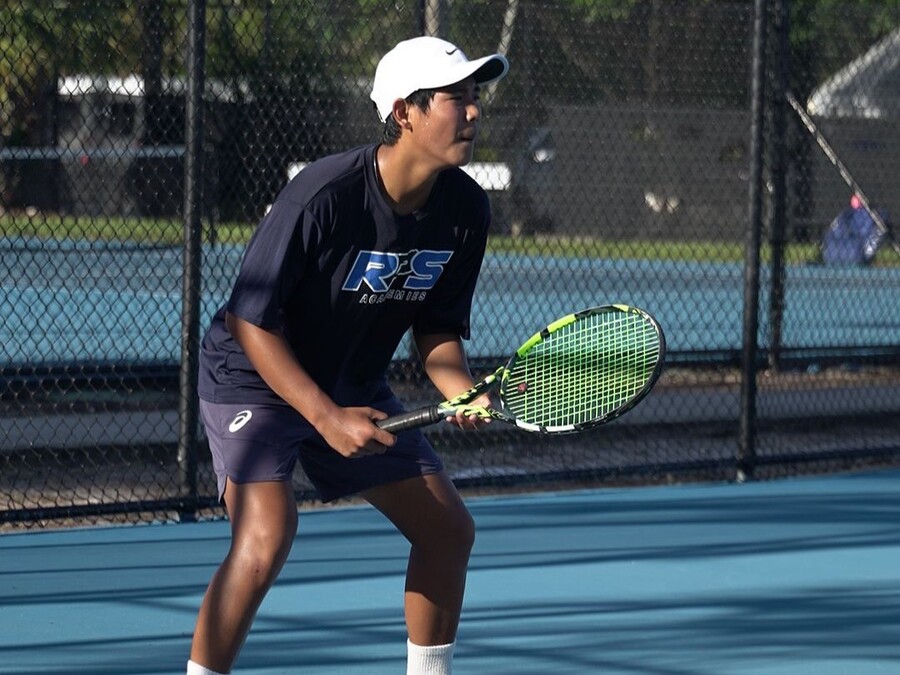
The ideal profile for tennis summer camps in the USA is wider than many people imagine. You don't have to be a competitive athlete or speak fluent English. The programs organize training by technical level and language classes according to the proficiency of each participant.
Fundamental criteria:
- Age between 13 and 18 years old
- Genuine interest in evolving in tennis (any level is accepted)
- Willingness to live in a supervised dormitory
- Openness to practice English daily in real contexts
- Adequate physical conditions for intense sports activities
Most programs perform initial assessment on the first day to organize compatible groups. Those who have never competed officially train fundamentals with other beginners. Intermediate players work more advanced tactics with peers of a similar level.
Exchange for teenagers works best when the program respects the participant's current stage and offers progressive challenges, not impossible requirements from the start.
Required documentation step by step
Traveling to the United States for educational purposes requires specific documents that take time to provide. Starting the process three to four months before the desired travel date eliminates the hassle and allows you to resolve unforeseen events with peace of mind.
Step 1: Passport
The passport must be valid for at least six months from the date of entry into the USA. If the adolescent does not have a passport or the document has expired, request issuance from the Federal Police. The average delivery time is two to three weeks, but it may vary depending on the time of year.
Step 2: American Visa
Adolescents need an American tourist visa (B1/B2) to participate in summer camps. The process includes:
- Complete Form DS-160 online
- Payment of the consular fee
- Scheduling an interview at the American Consulate
- Attendance at the interview with complete documentation
- Waiting for approval and issuance of the visa
Parents or legal guardians must accompany minors during the consular interview. Bring documents that prove a link with the country of origin: school enrollment, family income statement, proof of residence.
Step 3: Travel authorization for minors
Children under 18 traveling unaccompanied by their parents need notarized authorization from a notary office. The document must specify:
- Full name of the adolescent and of the parents or legal guardians
- Travel period with round trip dates
- Full destination including campus address
- Identification of the responsible person or institution in the USA
- Parents' signature notarized
Step 4: International health insurance
Get insurance that covers the entire period of the program, including medical emergencies, sports accidents, and repatriation if necessary. Check that the policy specifically covers sports activities, as some insurance excludes injuries during athletic practices.
Step 5: Additional receipts
Have in hand at the time of boarding:
- Tennis Program Acceptance Letter
- Proof of campus housing
- Round-trip airline tickets
- Emergency contact in the USA
- Updated vaccination card
Plan an exchange in advance means gathering this documentation stress-free, with time to correct issues that may arise in the middle of the process.
Choosing the right program
Not all tennis summer camps in the USA offer the same experience. Some focus exclusively on intensive training for competitive athletes. Others balance sport with structured English classes. Understanding the adolescent's profile helps to choose the most appropriate program.
Questions to ask when evaluating programs:
- What is the ratio between tennis training and English classes?
- Are the groups organized by technical level in the sport?
- Do language classes respect each student's proficiency?
- Does the campus offer on-site dorms or require travel?
- What cultural activities are included on the weekends?
- How does supervision work during off periods?
- Are there staff that speaks the adolescent's native language in case of emergency?
The program in Port St. Lucie, for example, combines 12 hours a week of tennis with 16 hours of English. The all-inclusive structure on the RPS campus includes lodging, all meals, cultural tours, and 24-hour supervision. This format works well for those seeking balance between sport and language.
Sports exchange programs vary greatly in intensity and focus. Setting priorities before choosing avoids frustration later.
Practical preparation before boarding
In addition to the official documentation, some practical preparations make a difference in the initial adaptation. Adolescents who arrive minimally familiar with American routines and cultural expectations feel more confident from day one.
What to do in the previous weeks:
- Practice basic survival English: ask for help, ask simple questions, understand instructions
- Research Port St. Lucie and Florida to create mental context
- Organize suitcases with sportswear suitable for hot and humid weather
- Separate medications for continuous use with prescriptions in English
- Set up a cell phone to work in the USA with an international chip or e-SIM
- Write down emergency contacts in an easily accessible place
The first night away from home is often the most emotionally difficult. Talking about this openly before the trip normalizes the feeling and prepares the adolescent to deal with initial nostalgia without despair.
Culture shock in the exchange it even exists in short two-week programs. Recognizing that the early days require adaptation helps to go through this period more lightly.
What to expect during the program
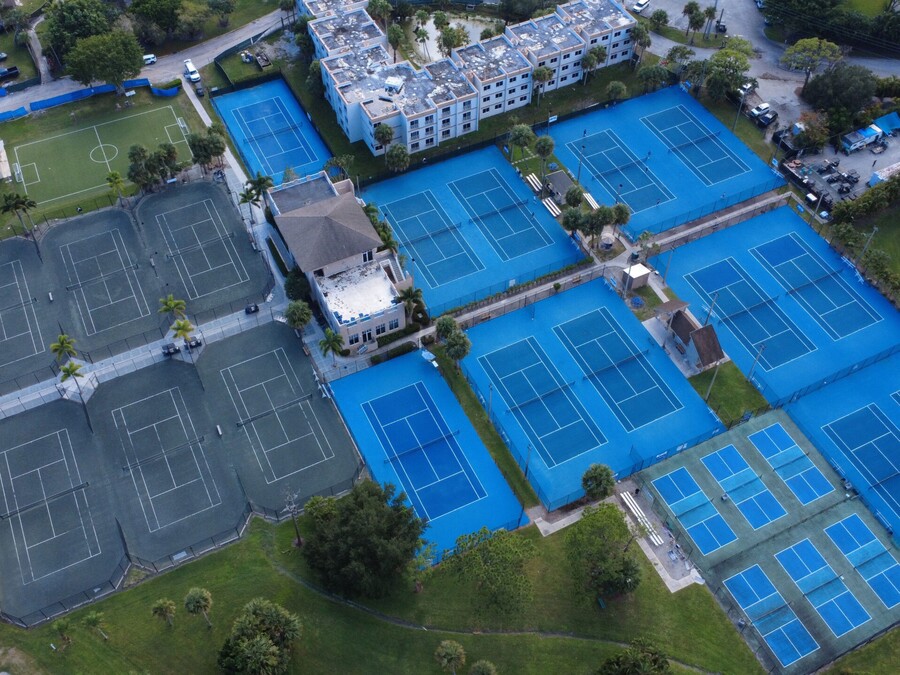
The summer camp routine follows a predictable structure that helps teenagers get organized quickly. Wake up, group breakfast, tennis training, lunch, English classes, complementary physical training, dinner, evening recreational activities. This daily consistency creates a sense of security even in a new environment.
Tennis technicians work on technical aspects in the morning when the heat is still tolerable. Correction of movements, practice of fundamentals, development of specific tactics. In the afternoon, after English classes, training focuses on physical preparation and supervised games applying learned techniques.
Typical one-day structure:
- 07:00: Breakfast in the campus cafeteria
- 08h00-11h00: Tennis training with professional coaching staff
- 11:30: Supervised lunch
- 13h00-17h00: English classes in groups by level
- 17:30: Complementary physical training or supervised free time
- 18:30: Collective dinner
- 19:30 - 21:00: Recreational activities, games or preparation for tours
- 22:00: Pick-up to the dorms
Weekends break that routine with cultural excursions. Visit Disney or Universal Studios in Orlando. Spend the day at nearby beaches. Explore local malls and restaurants. These supervised outings provide English practice in real contexts outside the controlled campus environment.
Living with teenagers from different countries creates friendships that often last beyond the program. Exchange contacts, follow each other on social networks, hold conversations in English after returning home. This global networking is worth as much as tennis training.
Costs beyond the program
In addition to the price of the program itself, consider additional expenses that arise during the experience. International air tickets vary greatly depending on the time of purchase and destination of origin. Purchasing three months in advance generally guarantees better prices.
Common extra expenses:
- Money for souvenirs and personal purchases during tours
- Tips for campus staff (cultural in the USA)
- Snacks or drinks other than meals included
- Optional activities not covered by the program
- Extra luggage if necessary when buying a ticket
Some parents prefer to give their adolescent an international prepaid card with a defined limit. This teaches basic financial management while maintaining control over overspending. Others choose to send a fixed amount of cash for the entire period.
Summer exchange It tends to have more expensive airline tickets because it is high season. Planning ahead helps you find promotional rates.
FAQ: Frequently asked questions about participation
Can teenagers travel alone on international flights?
Yes. Airlines accept minors under 18 traveling unaccompanied, but some charge an additional fee for the escort service. Adolescents receive special assistance from check-in to delivery to the authorized person at the destination.
What if my child has dietary restrictions or allergies?
Inform the program during enrollment. Most American campuses are prepared for specific diets: vegetarian, vegan, gluten-free, lactose-free, nut allergy. Submit medical documentation detailing restrictions and emergency medications if applicable.
How does communication with the family work during the program?
Teenagers can use cell phones with internet for messages and calls. The campus generally offers free WiFi. Establish combined contact times considering time zone differences. Avoid excessive communication that hinders adaptation and independence.
Can I extend my stay in the U.S. after the program ends?
Technically yes, as long as the visa remains valid. However, the adolescent would need adequate accommodation and supervision. Many families take the opportunity to go sightseeing with their families a few days after the program, picking up their child on the last day and traveling together.
Be Easy
Be Easy simplifies this entire participation process in tennis summer camps in the USA. Our team advises on documentation, helps in choosing the program that best suits the adolescent's profile, and accompanies each stage until boarding. With 17 years connecting young people to international experiences, we know the details that make the difference between a stressful trip and a well-planned one. Contact us and discover how to transform your child's interest in tennis into a complete educational experience during the next summer.

