
Summer camp in Toledo 2026: sports, languages and historical culture in Spain
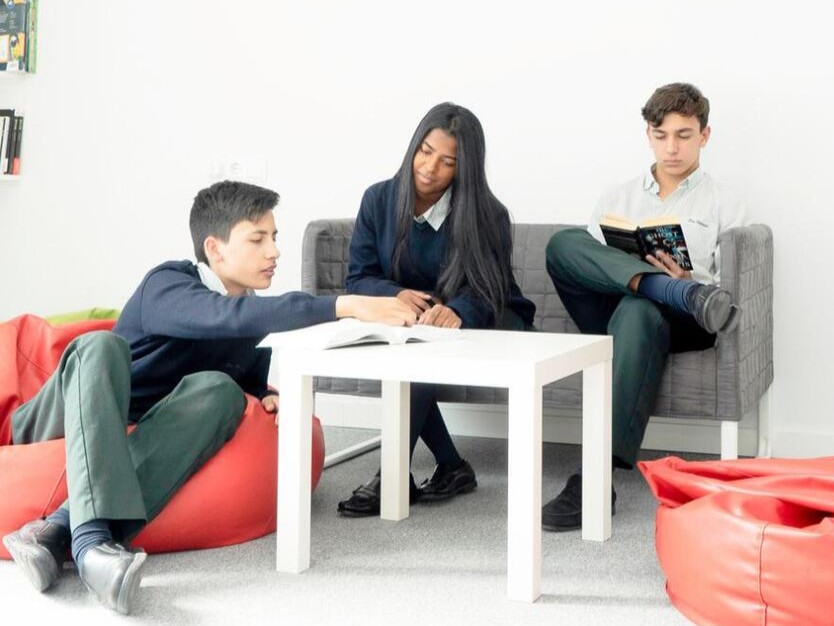
Toledo, a UNESCO World Heritage Site since 1986 and considered a City of Three Cultures for the historic coexistence of Christians, Moors and Jews, is the setting for the Global Camps 2026 at Colegio San Patricio Toledo. The program brings together 13- to 15-year-olds on a residential campus that combines uncommon sports, such as fencing, with robotics, video gaming, and intensive immersion in English and Spanish with native teachers. Located just 30 minutes from Madrid, Toledo offers something rare in European summer programs: a city fully preserved as a living monument, where history is not a museum, it's the street where young people walk. This article presents how the camp works, what makes Toledo a different destination, and what parents should consider when evaluating this option for their children.
What is the Global Camps at Colegio San Patricio Toledo?
Global Camps is the international summer program of Colegio San Patricio Toledo, a bilingual Spanish school with a campus in Toledo, 70 km from Madrid. The 2026 program is aimed exclusively at young people aged 13 to 15 and operates in a one or two week format, with a residential or day camp option.
The residential format takes place from Sunday to Saturday, with young people staying on the campus itself. The day camp is open from Monday to Friday, from 9 a.m. to 7 p.m., with return to external accommodation at the end of the day. Both modalities follow the same schedule of activities during the academic period.
The structure of the program is divided into three simultaneous pillars: main activity in the morning, language classes throughout the day, and sports and outdoor activities in the following period. Each youth chooses one main activity trail per week and can alternate the following week if they participate for two weeks.
How is the activity grid organized?
What main activity trails are available?
The young person chooses one of the three trails for the morning period, practiced daily during the week:
- Multi-sports: Variation of sports with a focus on teamwork and motor skills
- Visual Arts and Photography: creative production with technical guidance, exploring the historical heritage of Toledo as a theme
- Robotics and video gaming: programming, assembly and computational logic applied to practical projects
The robotics and video gaming trail is a concrete differential. Few European summer programs aimed at this age group integrate technology and computer logic as a central activity, in the same curriculum in which young people play sports and learn languages.
What sports and outdoor activities are part of the program?
In addition to the main trail, the program includes a wide range of outdoor sports and activities:
- Soccer, basketball and handball
- Fencing
- Rock climbing and trekking
- Kayak
- Horseback riding
- golfing
Fencing deserves special attention. It is one of the few sporting activities of medieval origin that still requires a combination of tactical reasoning and high-speed body control. Finding fencing as a regular activity at a European summer camp is unusual: most programs list it as an optional activity or remove it due to logistical restrictions. In the context of Toledo, a city that preserves the tradition of medieval weapons as part of its cultural identity, the choice makes historical and pedagogical sense.
How do language classes work?
English and Spanish classes are conducted by native teachers in a bilingual immersion format. The young person is in contact with both languages throughout the day, not just during the formal class block.
English acts as the lingua franca of the program: most instructions, activities, and interactions between young people from different countries take place in English. Spanish is a language of the environment: in city tours, in interaction with local residents, and in the cultural activities included in the itinerary.
For those who are building the trajectory towards Learn a language abroad consistently, simultaneous immersion in two languages in a historically rich environment represents a linguistic gain that programs in generic cities are unable to replicate.
Why is Toledo a different destination for a summer camp?
Toledo is no ordinary summer destination. The city was the capital of the Visigothic Kingdom and, later, one of the most important intellectual centers in medieval Europe, where Arabic, Hebrew, and Latin manuscripts were translated and circulated among the three religious groups that lived there.
UNESCO recognized this uniqueness by declaring Toledo a World Heritage Site. What this means in practice for a young person participating in the camp:
- Toledo's Gothic cathedral, built starting in the 13th century, is just a few minutes from the campus
- The El Tránsito synagogue, built in the 14th century, is one of the best preserved in the Iberian Peninsula
- The Cristo de la Luz mosque is the only mosque in the city that fully survived the Reconquista period
The cultural itinerary is included in the program. The tours are neither optional nor extra: they are part of the grid as a mandatory activity for all participants.
Toledo also preserves the tradition of marzipan, a sweet of Arab origin that the city has been making for over five centuries and which is now recognized with a geographical indication. Local cuisine is part of the cultural itinerary, and Castilian cuisine appears in the program's meals as an immersive element, not just as food logistics.
What does the location close to Madrid add to the program?
The 30-minute distance from Madrid places Toledo in a privileged logistical position. For parents, arrival and departure are simple: direct high-speed train (AVE) connection from Atocha station, without the need for a transfer or car rental.
For young people, the proximity to Madrid does not change the experience within the program, which takes place entirely in Toledo. The city is not in the shadow of the capital: it is an autonomous destination with its own identity, and it is precisely this autonomy that makes the camp distinct from programs held in Madrid or in conventional university cities.
As 5 unique experiences in Madrid for the exchange They are 30 minutes from Toledo by AVE train, which allows families to extend their child's weekend program in the capital without altering the camp routine. Toledo serves a different profile than what Madrid offers: young people who want a variety of sports, dense cultural immersion and contact with a city that does not exist anywhere else in the world.
Who is the profile of the young person who enjoys this program the most?
Global Camps is suitable for young people from 13 to 15 years old. There is no prior sporting or academic level requirement for participation. What makes the difference is the willingness to live with young people from other countries in a residential environment and to actively participate in various activities during an intense week.
The program works well for young people who:
- They are still exploring different sports and areas of interest.
- They want to develop English and Spanish in a real immersive environment
- They are curious about technology and want to try robotics outside of school
- They will benefit from a structured cultural itinerary, without parents having to organize separately
The profile is different from the young athlete who is already training in a specific sport and seeks high performance. For this profile, programs focusing on a single modality are more suitable. Global Camps serves those who want breadth: to experiment, to live and to come out with a larger repertoire than ever before.
Residential or day camp: which format to choose?
The choice between residential and day camp depends mainly on family logistics and the level of autonomy of the young person.
Residential (Sunday to Saturday):
- Complete immersion: young people live with their classmates 24 hours a day
- The campus routine includes meals, evening activities, and time management
- Suitable for those who want the experience of independent living as part of their learning
Day camp (Monday to Friday, 9 a.m. to 7 p.m.):
- The young person returns to the external accommodation at the end of the day
- Flexibility for families who are already in Toledo or Madrid during the period
- The schedule of activities during the day is identical to the residential format.
Many families choose day camp when they are traveling around Spain during the same period and want to combine the program with family time. The residential format is recommended for young people traveling without their parents and for whom the experience of total immersion is the main objective.
Learn Spanish in Spain has a very different quality in small and culturally dense cities like Toledo compared to tourist capitals. The focus at Global Camps is on variety, dense cultural immersion, and simultaneous contact with two languages.
A week or two weeks: is it worth the difference?
The program offers blocks of one or two weeks. The difference isn't just in length.
In the first week, the young person is still adjusting to the routine, the group, and the language. The linguistic experience begins to gain density from the second or third day, when the young person stops translating mentally and begins to react directly in English or Spanish.
In the second week, this base is already consolidated. Young people operate more autonomously, friendships are formed and the enjoyment of activities is naturally greater. The gain of a second week isn't simply doubling the time: it's accessing a different level of experience.
For families evaluating the program for the first time, a week is a safe entry point. For those who are already familiar with the format and want to maximize their linguistic and cultural return, two weeks make a concrete difference.
Comparison between the available formats:
- Residential: 1 or 2 weeks, from Sunday to Saturday, on a 24-hour basis. Suitable for young people who travel without their parents and seek total immersion
- Day camp: 1 or 2 weeks, Monday to Friday from 9 a.m. to 7 p.m. Suitable for families who are already in Spain for the same period and want to combine the program with family time
Both formats include the same schedule of activities, cultural itinerary, and language classes. The difference is in the routine outside of program hours.
Frequently Asked Questions about summer camp in Toledo
Does the program accept young people with no advanced level of English?
Yes. Language classes are structured by level, and the program performs an initial assessment to distribute participants into appropriate groups. Young people with basic or intermediate English are normally welcomed and accompanied by native teachers during classes.
Is it necessary to have previous fencing or robotics experience to participate?
No. None of the activity trails require prior knowledge. Fencing and robotics are presented as a structured initiation, with equipment provided by the program and instructors dedicated to the participating youth group.
Is Toledo safe for 13-15 year olds?
Toledo is a small city with about 85,000 inhabitants and one of the most preserved historic centers in Spain. The Colegio San Patricio campus is located in a quiet residential area, with access to the historic center organized by the program itself in groups accompanied by monitors.
Do young people from different countries participate together?
Yes. Global Camps brings together young people from different countries in Europe, South America and other regions. English acts as the group's common language, which makes linguistic immersion natural and constant throughout the day.
How does the family get to Toledo from Madrid?
The most practical way is the AVE high-speed train that departs from Atocha Station in Madrid and arrives at Toledo station in approximately 30 minutes. There are multiple daily departures. Toledo station is 15 minutes from the campus by taxi or transportation organized by the program.
Be Easy: boutique exchange consultancy
Be Easy accompanies families who want to offer their child a real advantage before college. If your child is between 13 and 15 years old and the project is to combine languages, historical culture and diversified sports in a single European program, we have curating right for him to build this trajectory in the right environment for his profile. To understand the options available and speak with a dedicated senior consultant, contact us.

