
Karting in England for Young Drivers: Why the UK is a Global Leader in Driver Development
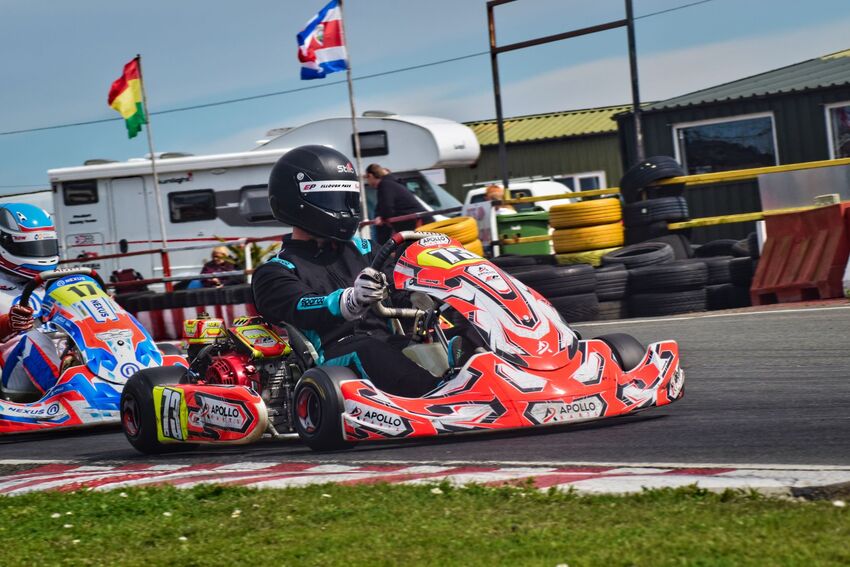
Parents of young people interested in motorsport often ask a recurring question: where is the best place for their child to start driver training? The answer doesn't lie in a single program or school, but in an entire ecosystem, and the UK has built this ecosystem over decades. Karting in England isn't just practice; it's the first step in a structured progression that leads to international junior categories.
What sets the UK apart from any other grassroots training destination is that motorsport culture permeates everything, from local tracks to high-level academies. F1, F2, F3, competitive karting, and technical coaching coexist in the same country, sometimes in the same city. For a young person aged 10 to 17 who wants to explore if racing is for them, this concentration of resources transforms the quality of the experience.
Why has the UK become the world capital of youth motorsport?
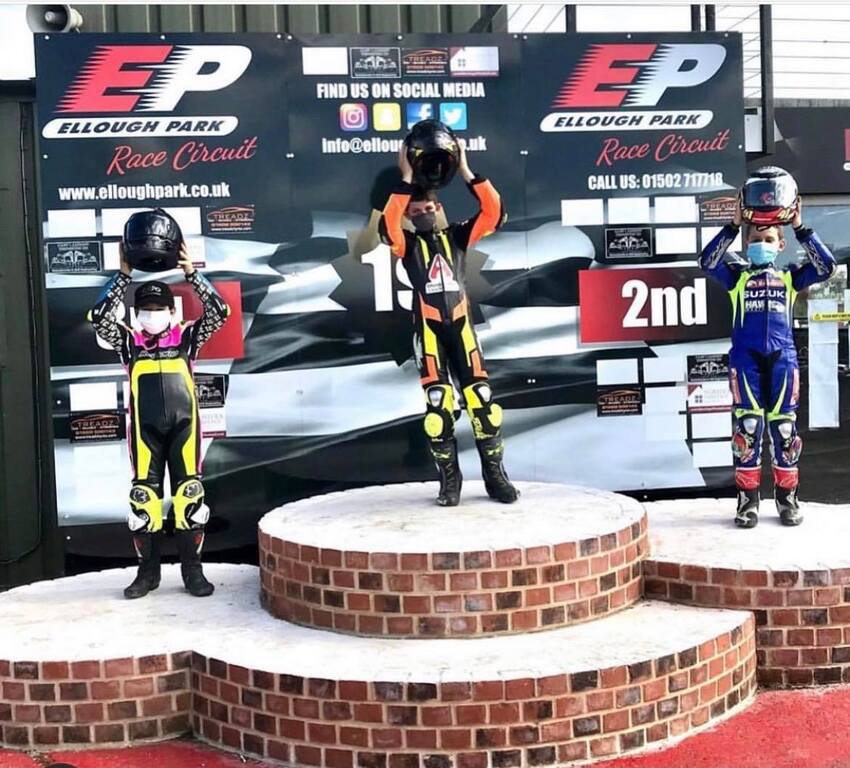
Parents researching driver training come to the same conclusion: the British ecosystem is unparalleled. The UK is home to the world's largest concentration of motorsport teams, engineers, and circuits.
This infrastructure supports qualified coaches: former drivers who understand what separates raw talent from a successful career path. British karting structures training on three pillars:
- Certified tracks with a competitive calendar: national leagues with weekly scoring and progressive classification.
- Coaches with professional backgrounds: former drivers from regional and national categories with a technical training methodology.
- Immediate and measurable feedback: timing, telemetry, and awards for the best performances in each round.
For a 10-year-old who gets into a kart for the first time, this level of structure accelerates technical development in a way that informal training could never achieve.
The Junior progression system: how does it work in practice?
The British youth karting model operates in classes based on weight and performance, not just age. A 13-year-old who progresses quickly can compete in a class with 15 and 16-year-old drivers who reached the same level through a longer path.
- Cadet and Mini classes (8 to 12 years old): first contact with low-displacement karts, focusing on clean driving, racing lines, and progressive braking.
- Junior classes (12 to 16 years old): higher power, telemetry introduced, beginning of setup work with the coach.
- Senior Junior and Transition (15 to 17 years old): preparation for regional and national categories, exposure to full circuits.
This structured progression is what makes a difference in a career path. Those who start in British karting learn to advance within a system with clear criteria, which prepares young people for the logic of international FIA junior categories.
The vocational exchange for young people offered by Be Easy includes programs that immerse students directly into this ecosystem, with track training, interaction with professional coaches, and English integrated into their routine.
What makes Suffolk an interesting destination within this context?
Families looking for karting and English in the same program often seek destinations away from overcrowded urban campuses. Suffolk fits this profile: East of England, 2 hours from London, with active karting circuits and the Suffolk Heritage Coast as a backdrop.
A common question from families is: will my child return with improved English or just improved track skills? A partner residential school in Suffolk combines both in a weekly format. Both areas progress together:
- 20 hours of English per week in small groups, with a focus on real-world communication.
- 10 hours of karting per week at a partner track in Suffolk, with professional coaches.
- Integrated competitive system with weekly scoring, trophies, and level-based classification.
The program received the ST Star Junior 2024 Award, is accredited by BAC, and the school is a signatory of UNEP Caring for Climate. The summer camp in Suffolk with English and karting details the complete package for young people aged 8 to 17.
For those who want to understand programs beyond this destination, the motorsport exchange brings together pathways from karting to high-performance engineering.
How does British karting connect with a motorsport career?
Parents who seriously research this often arrive at the same question: does junior karting develop drivers or is it just entertainment? The answer depends on the context:
- Spontaneous karting at a local track, without a coach or progression system: entertainment.
- Karting with level-based classes, telemetry, coaches with professional backgrounds, and competitive scoring: development.
The British model is the latter case. The UK has the largest motorsport talent discovery ecosystem, and drivers competing in the world's most competitive categories have, with rare exceptions, gone through some stage of British or European junior karting.
The right path depends on the family's goal:
- To explore the track for the first time: a summer camp at a British track with professional coaches.
- To advance in junior progression: a program with a scoring system, level-based classes, and telemetry.
- A career beyond the cockpit: automotive engineering, strategy, or design based within the British ecosystem.
The motorsport exchange for teenagers covers all these pathways.
Those who think beyond the cockpit will find in how to work in Formula 1 the paths that stem from this foundation.
What is the difference between a karting summer camp in England and training in your home country?
Anyone who has researched karting in their home country and compared it with what's available in the UK will notice the structural difference. The most tangible difference lies in the standard of coaches and circuits.
In a British program, young drivers train with professionals who have competed in national categories. The technical level is different from what exists in most countries. And when young people spend weeks with other young motorsport enthusiasts from various countries, the environment creates real benchmarks:
- They see what more advanced peers do on the track and understand where they need to improve.
- English becomes a practical tool, not just a lesson.
- Motivation is sustained because the group reinforces commitment.
This type of exposure, combined with the volume of training, is what differentiates an international summer camp from an isolated karting lesson on a weekend.
The summer camp in England for children and teenagers is an accessible format to test this experience without immediate career commitment.
Frequently asked questions about karting in England for young people
What is the minimum age to participate in a karting program in England?
British youth karting programs accept participants from 8 years old in the Cadet classes. Between 8 and 12 years old, the focus is on technical fundamentals; from 13 to 17 years old, the work progresses to kart setup and the introduction of telemetry. Each program defines its specific age range, but access is possible from an early age.
Is previous karting experience required to participate in a British summer camp?
No. British training programs are structured to welcome young people without prior experience. Coaches differentiate the work by skill level within the same group, so beginners and those with some practice advance in the same program but with different objectives per session.
Is British karting internationally recognized in junior categories?
Yes. The British junior progression system is compatible with the requirements of FIA grassroots categories. Young drivers who come through British karting arrive at regional and national categories with technical credentials recognized by scouts from F3 and F4 academies.
How can you combine English and karting in a summer program in the UK?
Some British programs integrate both into weekly modules: English lessons in small groups in the morning, and on-track karting sessions with coaches in the afternoon. This format is more efficient than separating the two experiences into distinct periods, as the young person maintains momentum in both areas without sacrificing one for the other.
Which regions in England have the best infrastructure for junior karting?
The South and East of England have the highest number of certified circuits with active junior programs. Suffolk, Essex, Hertfordshire, and Kent have tracks with regular competition calendars. The Midlands, with its proximity to Silverstone, also offers a rich environment for young people who want to understand British motorsport beyond the kart track.
Be Easy: Boutique Study Abroad Consultancy
Be Easy supports families who want to give their child a real advantage before defining a career path in motorsport. If your child is interested in karting or any area of motorsport, we have the expert guidance to help them build this experience in the right technical environment. To understand the available options and speak with a dedicated senior consultant, contact us.

