
Holiday exchange in Milan: fashion and design for young people in Italy 2026
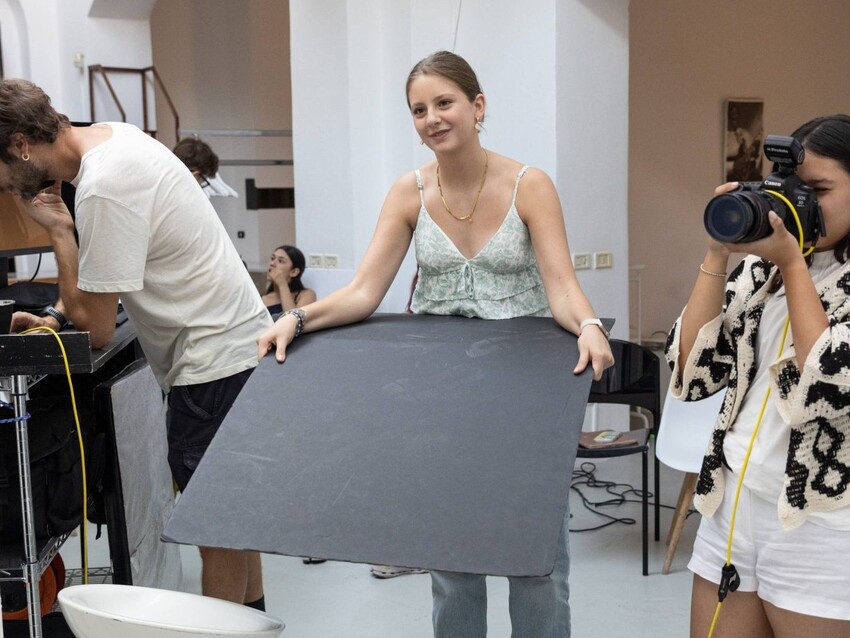
The Fashion Summer Program takes place inside a 3,000 square meter building equipped with professional laboratories. Here, teenagers from 15 to 18 years old test whether they really want to build a career in the fashion industry or if it's just a passing interest.
Two weeks, two completely different realities
The program offers two distinct specializations: Styling & Shooting and Tailoring & Sustainability. Each one reveals unique aspects of the industry that rarely appear in magazines or social media.
At Styling & Shooting, participants discover:
- How a fashion editorial was born long before the camera turned on
- Why choosing the wrong model can ruin months of planning
- What styling goes far beyond “combining beautiful clothes”
In Tailoring & Sustainability, the reality is different:
- Sustainable materials cost more and are harder to work with
- Each piece takes weeks to complete
- Sustainability in fashion requires much more creativity than fast fashion
The difference between watching fashion shows on Instagram and creating real fashion quickly becomes clear. Some attendees love it, others find that they prefer the business or journalistic side of the industry.
Styling isn't what you see on Instagram

The styling module shatters several romantic illusions about the profession. Participants learn that a fashion editorial involves dozens of technical decisions before any garment is chosen.
The actual process includes trend research, target audience analysis, briefing with photographers, and team coordination. The selection of models considers not only appearance, but also experience, personality, and how they behave during long work sessions.
Practical steps of the module:
- Market and audience analysis
- Development of visual concepts
- Casting of models and makeup artists
- Full direction of the photo shoot
The results vary dramatically. Some young people produce surprisingly mature work, while others struggle with technical complexity. Both experiences are valuable for future career decisions.
For students interested in broader aspects of visual communication, programs such as design and communication in Germany offer complementary perspectives on visual narrative.
Sustainability in fashion: far beyond green marketing
The Tailoring & Sustainability module confronts participants with inconvenient realities in the fashion industry. Working with recycled materials is technically more challenging and aesthetically limiting than using conventional fabrics.
Young people learn traditional tailoring techniques while facing practical limitations of eco-friendly materials. Not all recycled fabrics accept certain cuts. Some colors are impossible to obtain without problematic chemicals.
Real challenges faced:
- Limited sourcing of sustainable materials
- Increased technical complexity in execution
- Significantly higher costs
- Aesthetic limitations in some techniques
The experience forces participants to rethink the entire fashion production chain. Some are determined to revolutionize the industry, others conclude that they prefer to work with established brands in sustainability.
This critical awareness perfectly complements others vocational programs for young people, developing systemic thinking about industrial impacts.
The 4 college credits that really matter
Unlike decorative certificates, the 4 ECTS credits obtained have real weight in European university admissions. Admission coordinators recognize the quality of Raffles Milano training and value portfolios developed during the program.
But the credits come with responsibility. Projects are evaluated with strict professional criteria. Some participants become frustrated when they realize that “effort” does not compensate for the lack of adequate technical results.
Evaluation criteria include:
- Technical quality of the projects
- Conceptual originality
- Professional presentation
- Demonstrated theoretical understanding
This rigorous assessment experience prepares young people for future academic realities, especially relevant to those considering the high school in Italy as the next step.
Real access to big brands
Partnerships with Moncler, Armani Silos, and Fondazione Prada offer genuine access behind the scenes of the industry. These are not superficial guided tours, but work sessions where professionals share real processes.
At Moncler: Participants observe product development meetings, see prototypes being tested, and discuss real technical challenges with senior designers.
No Armani Silos: The analysis goes beyond the exhibits, exploring business decisions that shaped the brand over decades.
At the Prada Foundation: The meeting with Miuccia Prada (when available) brings perspectives on how art, architecture, and fashion influence each other.
Some participants are struck by the complexity of the fashion business. Others perceive that they prefer more creative and less corporate aspects of the industry.
The coexistence that changes perspectives
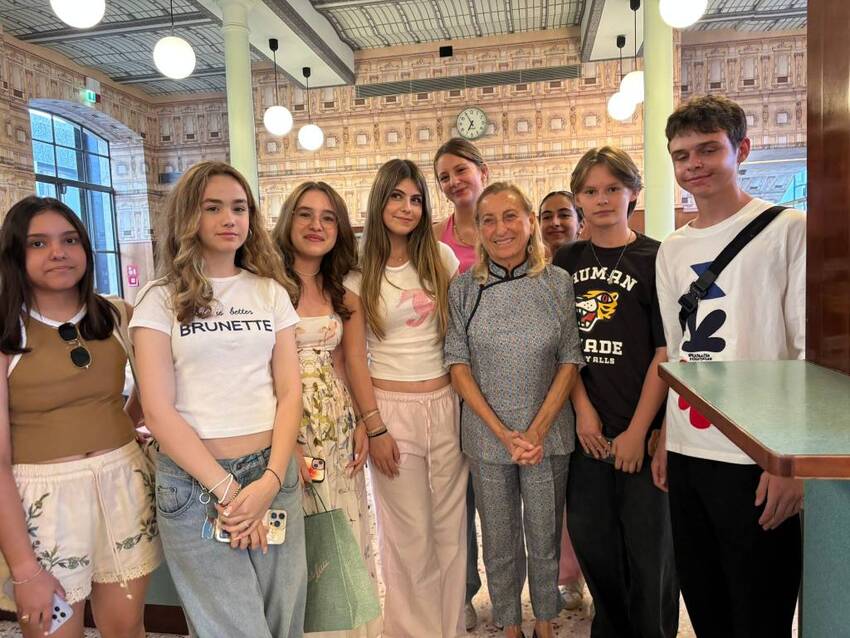
Living on campus with young people from different countries reveals how fashion is culturally perceived in different ways. Cafeteria conversations are often more educational than some formal classes.
What happens outside of class:
- Debates about cultural differences in fashion
- Exchange of techniques learned in different countries
- Natural networking without commercial pressure
- Spontaneous collaborative projects
Living together for 7 or 13 days forces participants to articulate their own views about fashion. Many discover opinions they didn't even know they had when they need to defend them in informal discussions.
For families considering complementary experiences, exchanges in Florence offer wider cultural immersion in Italy.
Laboratories that work like real companies
The three specialized laboratories operate with deadlines, budgets, and expectations similar to professional environments. Participants quickly realize that creativity without organization results in incomplete projects.
Laboratory realities:
- Expensive equipment requires specific training
- Machine time is limited and disputed
- Errors cost materials and delay schedules
- Final quality depends on prior planning
Some young people flourish under professional pressure, others feel overwhelmed. Both reactions provide valuable information about aptitudes and work environment preferences.
Mentoring that goes beyond motivational praise
Raffles Milano mentors offer direct technical feedback, not just encouragement. This professional honesty surprises some participants who are used to constant praise in a school environment.
Features of mentoring:
- Specific constructive criticism
- Guidance on industry standards
- Connections between projects and commercial reality
- Preparing for future academic opportunities
Honest mentoring prepares young people for future competitive environments. For students interested in expanding this preparation, law programs at Oxford and Cambridge offer similar academic rigor in different areas.
Surprising results
Not all participants confirm their passion for fashion. Some find that they prefer the business side, others migrate to related areas such as marketing or specialized journalism. These “changes of direction” are considered successes of the show.
Common findings include:
- Greater interest in brand management than creation
- Aptitude for fashion photography specifically
- Preference for sustainability in other industries
- Talent for coordinating creative teams
Clarity about what they DON'T want to do professionally is just as valuable as confirming vocations. Many families consider this orientation to be one of the key benefits of the experience.
FAQ - Direct questions, honest answers
- Does the program guarantee that my child will want to follow fashion? No. Some participants discover that fashion is not for them, which we consider to be a positive result because they avoid years of studying in an inappropriate area.
- Do the projects created have a professional quality? It varies drastically. Some jobs impress industry professionals, others serve primarily as a personal learning experience.
- Is it worth doing 1 or 2 weeks? One week offers intensive focus on a specialty. Two weeks allow comparison between different areas, helping with the future choice.
- How does the assessment for ECTS credits work? Strict professional criteria assess technical quality, originality, and presentation. There is no “participation” as an approval criterion.
- Does networking really lead to future opportunities? Some former participants keep in touch and develop joint projects. Others make friends without direct professional connections. Both results are valid.
Be Easy
Be Easy provides access to international programs that test young people's real interests, not just fuel fantasies about glamorous careers. With 17 years of experience, we know that honest and challenging experiences are more valuable than superficial adventures. Our realistic approach helps families make informed educational decisions. Contact us to explore options that really make a difference in the education of young people.

